
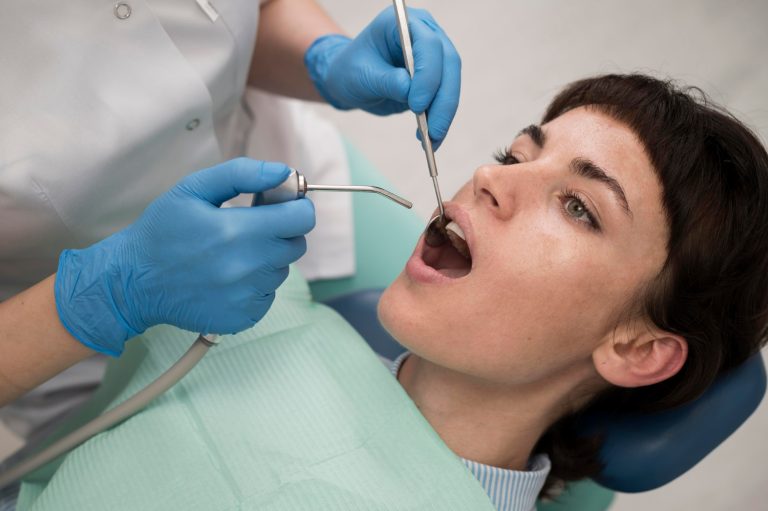
Tooth extraction is a common dental procedure performed when a tooth is damaged beyond repair, severely decayed, or causing crowding. While the extraction itself is a carefully managed clinical process, the healing phase that follows is equally important and requires thoughtful post-operative care. Understanding what to avoid after tooth removal can significantly impact the speed, comfort, and success of your recovery.
In this guide, we explore the key actions to avoid after a tooth extraction, why each is important, and how you can support the natural healing process through simple, informed choices. We’ll also highlight the typical recovery stages and provide a practical table to guide you through the do’s and don’ts of post-extraction care.
If you’ve recently had a tooth extracted or are preparing for one, consult a dentist Fletcher NSW, for personalised aftercare instructions tailored to your situation.
Why Is It Important to Protect the Blood Clot?
Following a tooth extraction, your body begins forming a blood clot at the extraction site. This clot acts as a protective barrier, shielding the underlying bone and nerves while facilitating healing. If the clot becomes dislodged, it can result in a painful condition known as dry socket, where healing is delayed, and the area becomes vulnerable to infection or irritation.
Preserving this clot is a cornerstone of post-extraction care, and most of the things to avoid are directly related to protecting it. For more on related oral health recovery, see our article on can receding gums be stopped from worsening.
What Are the Top Things to Avoid After a Tooth Extraction?
To minimise complications and promote recovery, it’s essential to avoid certain behaviours and habits during the initial healing period. Here are the key things to steer clear of:
- Smoking or vaping – These can interfere with blood flow and increase the risk of dry socket.
- Drinking through straws – Suction created by straws can easily dislodge the clot.
- Rinsing or spitting forcefully – Especially in the first 24 hours, this action can disrupt clot formation.
- Touching the site – Avoid poking the area with your tongue or fingers.
- Drinking alcohol – This may impair healing and interact with pain medication.
- Engaging in intense physical activity – Vigorous movement may elevate blood pressure and disturb the clot.
- Consuming hot, crunchy, or spicy foods – These can irritate the area or dislodge healing tissue.
If you experience severe pain or suspect dry socket, contact an emergency dentist Fletcher NSW, immediately.
How Long Should You Wait Before Brushing Near the Site?
Maintaining oral hygiene is crucial after an extraction, but it must be done gently and carefully. Brushing should be avoided near the extraction site for the first 24 hours. After this period, gentle brushing can resume around the area, being careful not to disturb the clot or irritate the site. Proper technique is key—learn more from our guide on how can you floss your teeth correctly Fletcher dentists guide.
Which Foods Are Safe to Eat After a Tooth Extraction?
During the healing process, soft and cool foods can help prevent irritation. Here are a few examples:
- Mashed potatoes
- Yoghurt
- Scrambled eggs
- Smoothies (without straws)
- Lukewarm soups
- Steamed vegetables (cooled)
Avoid foods that are crunchy, sharp, too hot, or acidic, as these can disturb the healing site or cause discomfort. For related advice on protecting teeth from decay after procedures, see how can you prevent cavities and maintain healthy teeth.
What Activities Should Be Delayed Post-Extraction?
Beyond food and hygiene, certain activities should also be delayed:
- Heavy lifting and exercise – For at least 48–72 hours post-surgery.
- Travelling long distances – Plan rest days if the procedure was significant.
- Using mouthwash – Unless prescribed, avoid commercial mouth rinses in the early healing stages.
- Sleeping flat – Elevating your head with pillows can help reduce swelling.
What Are the Signs That Something May Be Wrong?
While discomfort and slight bleeding are normal shortly after extraction, you should watch for the following signs and contact your dentist if they occur:
- Persistent or worsening pain after 2–3 days
- Visible bone or an empty socket (possible dry socket)
- Foul odour or taste in the mouth
- Fever or general malaise
- Ongoing bleeding that does not stop with gentle pressure
Persistent issues may also relate to gum health—check our post on 7 reasons your gums bleed when flossing, Fletcher dentist explains.
What Are the Common Mistakes People Make After a Tooth Extraction?
Even well-meaning patients can make simple errors in their aftercare. Here’s a quick list to keep in mind:
- Drinking carbonated drinks too soon
- Returning to work too quickly
- Forgetting to complete the full course of prescribed antibiotics (if given)
- Using straws without realising the risk
- Ignoring follow-up instructions
What Should You Do Instead?
Here is a practical table to guide your behaviour after a dental extraction:
Post-Extraction Do’s and Don’ts Table
| Do | Don’t |
|---|---|
| Apply gauze with light pressure as advised | Smoke or use straws |
| Rest with your head elevated | Rinse or spit forcefully |
| Eat soft, cool foods | Eat hot, spicy, or hard foods |
| Take medication as directed | Stop antibiotics early without dental advice |
| Brush gently around the area after 24 hours | Brush or touch directly on the extraction site |
| Attend all follow-up appointments | Skip appointments if you feel “fine” |
| Use cold packs for swelling (if recommended) | Use heat or unapproved remedies |
Why Is Personalised Aftercare Important?
Every patient’s mouth, medical history, and treatment plan are different. While general advice can help reduce the risk of complications, personalised care instructions from your treating dentist are essential. These instructions may vary depending on:
- Whether it was a single or multiple tooth extraction
- Your general health and medications
- Whether stitches were placed
- If the procedure involved a surgical extraction (e.g., wisdom teeth)
You should always follow the guidance provided by your dental team, as they are best placed to assess your healing needs.
Where Can You Find Trusted Support During Recovery?
If you’re recovering from a recent extraction or planning for one soon, Fletcher Dental Care offers compassionate, patient-focused aftercare that prioritises your wellbeing and safety. Our team ensures that every patient receives tailored guidance and support during their healing journey, with clear instructions, follow-up care, and access to assistance if anything doesn’t feel quite right. Whether you’ve just had a tooth removed or are preparing for your next visit, we’re here to support you every step of the way — with a calm, caring environment and professional advice that puts your comfort first. If you have any concerns about post-extraction healing or want to know what to expect, don’t hesitate to reach out to the team at Fletcher Dental Care.
Discover more about our services, including extractions Fletcher NSW, wisdom teeth extractions Fletcher NSW, and post-operative support through routine exams and cleaning Fletcher NSW.
Research References
- Australian Dental Association – Tooth Removal and Aftercare:
https://www.teeth.org.au/tooth-removal - Oral Health CRC – Post-operative Complications and Management:
https://www.oralhealthcrc.org.au/sites/default/files/PostOperativeComplications.pdf - Australian Government Department of Health – Clinical Guidelines on Dental Surgery:
https://www.health.gov.au/resources/publications/clinical-guidelines-for-dental-services
Frequently Asked Questions (FAQs)
- Can I smoke after a tooth extraction?
No. Smoking increases the risk of developing dry socket, a painful complication that delays healing. - When can I brush my teeth after an extraction?
You can resume gentle brushing around the area after 24 hours, but avoid direct contact with the extraction site. - Is it safe to drink coffee after having a tooth removed?
Hot drinks like coffee should be avoided in the first 24–48 hours. Cooler beverages are recommended until the area has begun to heal. - What happens if I accidentally dislodge the clot?
If you notice sharp pain or an empty-looking socket, you may have developed a dry socket. Contact your dentist for appropriate management. - When can I return to work or exercise?
It’s best to rest for at least 48–72 hours, especially if your job is physically demanding. Your dentist can give personalised advice. - Why does my mouth taste bad after extraction?
A bad taste could be due to food debris or, in some cases, infection. Rinse with warm salt water only if advised by your dentist, and contact your clinic if the taste persists.
Disclaimer
All dental procedures involve potential risks and benefits. The information provided in this blog is general in nature and should not be taken as medical advice. We recommend that you seek guidance from a suitably qualified health professional before making decisions about your oral health. Where appropriate, you may also wish to consider obtaining a second opinion. Any images or videos featured are shared with the informed consent of our patients and are intended for educational purposes only. They are not a guarantee of results, as every patient is unique. Treatment outcomes — including recovery, potential complications, and effectiveness — can vary from person to person.
Let me know if you’d like me to apply similar increases in links to any of the previous articles or continue with the next one!