
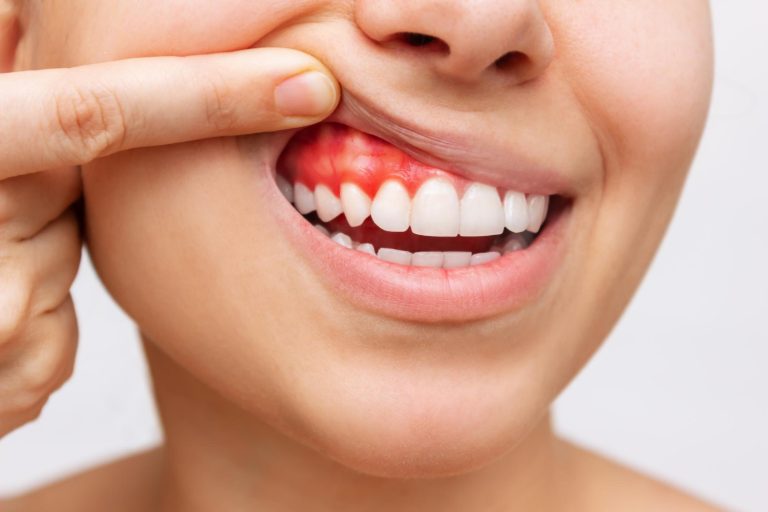
Gum inflammation doesn’t always start with pain, but it rarely goes unnoticed for long. Puffy, red gums that bleed when brushing or flossing are warning signs that something isn’t quite right beneath the surface. While it may be tempting to shrug off these early symptoms, the truth is that gum inflammation can quickly escalate without appropriate care — affecting not only your oral health but also your overall well-being. So, what can be done to calm inflamed gums, and more importantly, how can you prevent the problem from returning?
This article explores the science behind gum inflammation, identifies the key factors that contribute to it, and outlines practical, professional steps you can take to protect your gum health for the long haul.
If you’re dealing with gum issues in the local area, consult a dentist Fletcher NSW for expert assessment and care.
What Causes Gum Inflammation in the First Place?
Gum inflammation, also referred to as gingivitis in its early stages, typically occurs when plaque—a sticky film of bacteria—accumulates along the gum line. If not removed through proper oral hygiene, plaque can harden into tartar, irritating the surrounding gum tissue.
Common Contributing Factors:
- Inadequate brushing and flossing
- Tobacco use
- Hormonal fluctuations (such as during pregnancy)
- Certain medications that affect saliva flow
- Poorly aligned teeth or ill-fitting dental appliances
- Systemic health conditions such as diabetes
If left untreated, this seemingly minor irritation can progress into more severe gum disease, potentially leading to gum recession, bone loss, and tooth mobility. For more on related symptoms, read our article on 7 reasons your gums bleed when flossing Fletcher dentist explains.
How Can You Tell If Your Gums Are Inflamed?
Gum inflammation is usually easy to spot, particularly if you’re paying close attention to how your mouth feels during your oral hygiene routine. The following signs are among the most common:
Warning Signs of Gum Inflammation:
- Swollen, red, or puffy gums
- Bleeding when brushing or flossing
- Tenderness or discomfort in the gums
- Persistent bad breath
- A receding gumline
- Changes in the way teeth fit together
If you’re noticing one or more of these symptoms, it’s essential to address the issue early — not only to relieve discomfort but to prevent complications.
What Are the Best Evidence-Based Ways to Reduce Gum Inflammation?
The most effective way to reduce and control gum inflammation is through a combination of improved oral hygiene and professional dental care. While there’s no single solution that works overnight, consistent care can make a significant difference.
Daily Habits That Support Gum Health:
- Brush twice a day using a soft-bristled toothbrush and fluoride toothpaste
- Floss once daily to remove plaque from between the teeth
- Rinse with a dentist-recommended, TGA-approved mouthwash if advised
- Avoid tobacco and limit sugary foods or drinks
- Stay well-hydrated to promote saliva production
Our routine exams and cleaning Fletcher NSW service helps remove tartar buildup that home care alone can’t address.
Table 1: Gum Health Practice Comparison
| Practice | Benefit | Helpful Tip |
|---|---|---|
| Brushing twice daily | Reduces plaque and bacteria | Use small, circular motions along the gumline |
| Flossing once a day | Removes debris between teeth | Glide gently to avoid injuring the gum tissue |
| Professional dental cleaning | Removes tartar and allows early detection | Recommended every 6–12 months |
| Using a TGA-approved mouthwash | Helps reduce bacteria and freshens breath | Ask your dentist for a suitable product |
| Maintaining a balanced diet | Supports tissue repair and immune function | Focus on leafy greens, vitamin C, and calcium-rich foods |
When Should You See a Dentist for Gum Inflammation?
Gum inflammation that persists despite good brushing and flossing habits is a sign that professional assessment is required. Dentists can detect the early signs of gum disease, provide a thorough cleaning, and suggest a personalised care routine.
Situations That May Warrant a Dental Visit:
- Bleeding that doesn’t resolve within a few days of flossing
- Gum swelling accompanied by pain or pus
- Persistent bad breath that doesn’t improve with hygiene
- Receding gums or loose-feeling teeth
- Concerns about the appearance or feel of your gums
For targeted treatment of gum issues, explore our gum disease treatment Fletcher NSW options. If symptoms escalate suddenly, contact an emergency dentist Fletcher NSW.
What Role Does Diet Play in Gum Inflammation?
While brushing and flossing are front-line defences against gum problems, nutrition also plays a significant role in maintaining strong, healthy gum tissue. A diet lacking in essential nutrients may compromise the body’s ability to fight off bacteria or repair tissue.
Nutrients That Support Gum Health:
- Vitamin C – Promotes collagen production and helps repair tissues
- Calcium – Supports bone and tooth strength
- Omega-3 fatty acids – May help reduce inflammation
- Water – Keeps the mouth hydrated and aids in flushing out debris
Eating a variety of nutrient-rich foods can complement your oral hygiene habits and support recovery from inflammation.
What Habits Can Help Prevent Gum Inflammation From Returning?
Once inflammation is under control, prevention becomes the next focus. A consistent oral care routine, supported by regular dental visits, helps maintain gum health over the long term.
Preventive Measures:
- Replace your toothbrush every three to four months
- Use interdental brushes or water flossers where appropriate
- Attend scheduled dental check-ups and scale and clean
- Follow your dentist’s personalised care advice
- Avoid habits like nail-biting or chewing on pens, which may damage gums
Discover additional tips in our article on 6 benefits of flossing why Fletcher families should make it a habit to strengthen their daily routine.
Why Choose Fletcher Dental Care for Your Gum Health Needs?
If you’re experiencing ongoing gum sensitivity, bleeding, or discomfort, it’s time to take action. At Fletcher Dental Care, we’re committed to helping patients restore and maintain their gum health through tailored, evidence-based care. Our experienced team takes the time to listen, assess, and provide individualised treatment options designed to fit your lifestyle and dental history.
We offer a welcoming environment, gentle care for sensitive gums, and thorough examinations to ensure that any early signs of inflammation are addressed before they progress. Whether it’s your first check-up in years or a follow-up for ongoing gum management, Fletcher Dental Care is here to support your oral health journey every step of the way. Learn more about our comprehensive services at orthodontics Fletcher NSW, if alignment contributes to your gum concerns.
References
- Australian Dental Association. (n.d.). Gum disease. Retrieved from: https://www.ada.org.au/Dental-Health-Week/Oral-Health-for-Busy-Lives/Gum-disease
- Better Health Channel (Victoria State Government). (n.d.). Gum disease. Retrieved from: https://www.betterhealth.vic.gov.au/health/conditionsandtreatments/gum-disease
- Australian Government Department of Health. (n.d.). Oral health and chronic disease. Retrieved from: https://www.health.gov.au/health-topics/oral-health/benefits-of-good-oral-health/oral-health-and-chronic-disease
Frequently Asked Questions
- Can gum inflammation go away on its own?
Mild gum inflammation may improve with better brushing and flossing, but it’s still important to visit a dentist to ensure it hasn’t progressed further. - How long does it take for gum inflammation to settle down?
With consistent oral care and professional advice, early inflammation can improve within days to a couple of weeks. However, recovery times may vary depending on severity. - What happens if gum inflammation is left untreated?
Untreated inflammation can lead to more advanced gum disease (periodontitis), which may result in gum recession, bone loss, or tooth mobility. - Is gum inflammation the same as gum disease?
Gum inflammation is often an early sign of gum disease, particularly gingivitis. If not treated, it can progress to more severe forms like periodontitis. - Can a dentist reverse gum inflammation?
Dentists can assist by removing tartar and providing tailored care recommendations. Improvement often relies on both professional treatment and at-home care. - Is flossing enough to get rid of gum inflammation?
Flossing helps remove plaque between teeth, but a full oral care routine — including brushing, rinsing (if advised), and dental visits — is typically required to manage inflammation effectively.
Disclaimer
All dental procedures involve potential risks and benefits. The information provided in this blog is general in nature and should not be taken as medical advice. We recommend that you seek guidance from a suitably qualified health professional before making decisions about your oral health. Where appropriate, consider obtaining a second opinion. Any images or videos featured are shared with the informed consent of our patients and are intended for educational purposes only. They are not a guarantee of results, as every patient is unique. Treatment outcomes — including recovery, potential complications, and effectiveness — can vary from person to person.