
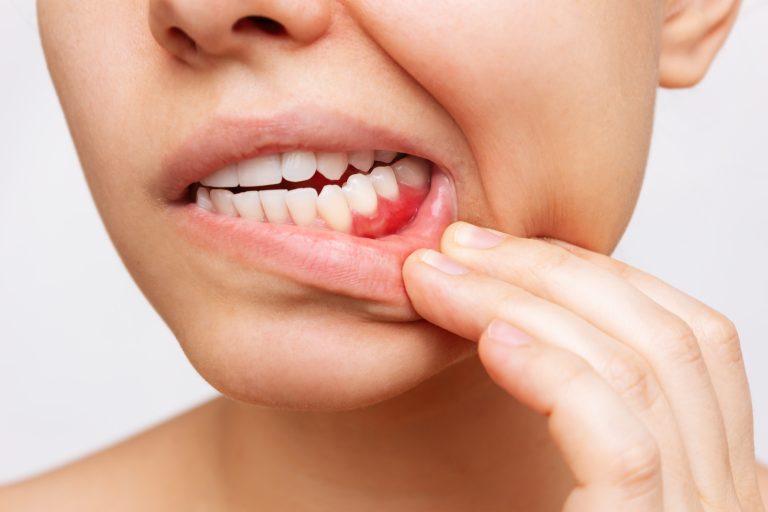
What Is Gum Recession?
Gum recession is the progressive loss of gum tissue along the tooth surface, which exposes the root beneath. The crown of a natural tooth is covered by enamel, the hardest substance in the human body. The root surface below the gum line has no enamel. Instead, it is covered by cementum, a softer layer that wears faster and conducts temperature more readily to the dental nerve.
When gums recede, the cementoenamel junction, the point where enamel meets root, becomes visible above the gum line. This junction marks the transition from protective enamel to vulnerable cementum. Once exposed, the root faces three threats: sensitivity to hot and cold stimuli, accelerated wear from brushing, and a higher risk of decay.
According to Australian Institute of Health and Welfare data, approximately 50% of Australian adults over 40 experience some degree of gum recession. The condition develops gradually over months or years, often without pain. This slow progression makes six-monthly dental check-ups the most reliable way to detect recession before significant tissue loss occurs.
Gum recession can affect a single tooth or multiple teeth. Lower front teeth and upper premolars show the highest prevalence because these areas face the greatest mechanical stress during brushing and chewing.
What Causes Gums to Recede?
Eight distinct factors cause gums to recede, often working in combination rather than isolation.
1. Periodontal gum disease
Periodontal disease is the most common cause of gum recession. Bacterial plaque accumulates along the gum line, triggering chronic inflammation that destroys the periodontal ligament and alveolar bone supporting each tooth. Without gum disease treatment, the bone loss continues and the gum tissue follows the receding bone level downward. The Australian Research Centre for Population Oral Health reports that approximately 22% of Australian adults have moderate to severe periodontal disease, making it the leading driver of recession nationally.
2. Aggressive tooth brushing
Scrubbing with a hard-bristled brush wears away gum tissue through mechanical friction. Patients who brush horizontally with excessive force can remove up to 0.5mm of gum tissue per year. The damage accumulates over decades, which explains why recession becomes more visible from age 40 onward. Switching to a soft-bristled brush and a gentle circular motion halts this mechanical wear immediately.
3. Genetic predisposition
Approximately 30% of the population inherits thin gum tissue, classified clinically as a thin biotype. Thin biotype gums measure less than 1mm in thickness and recede more readily under mechanical stress compared to thick biotype gums that measure over 1.5mm. Patients with a thin biotype require particularly careful brushing technique and more frequent monitoring.
4. Misaligned teeth and bite problems
Crooked teeth or an uneven bite distribute chewing forces unevenly across the arch. Teeth that protrude outward carry more gum stress than properly aligned teeth. The excessive force on supporting bone causes gradual bone loss and subsequent gum recession on the outward-facing surface of the affected tooth. Orthodontic treatment corrects the alignment and distributes force evenly.
5. Teeth grinding (bruxism)
Bruxism places sustained lateral pressure on the periodontal ligament and supporting bone. Over time, the bone remodels and shrinks under the abnormal load. Patients who grind at night often show recession on multiple teeth simultaneously. A custom night splint from Fletcher Dental Care absorbs this force and protects both teeth and supporting gum tissue.
6. Tobacco use
Smoking and chewing tobacco constrict blood vessels in the gum tissue, reducing oxygen and nutrient delivery. The compromised tissue recedes faster and heals slower than healthy gum tissue. Smokers also accumulate more calculus along the gum line, which accelerates periodontal disease progression and compounds recession risk.
7. Hormonal changes
Oestrogen fluctuations during pregnancy, menstruation, and menopause increase gum sensitivity and reduce tissue resilience. Pregnant women experience heightened inflammatory responses to plaque, which can accelerate recession if oral hygiene is not maintained during each trimester.
8. Previous orthodontic treatment
Orthodontic treatment that moves teeth beyond the boundaries of the supporting alveolar bone can thin the gum tissue on the outward-facing surface. Careful treatment planning keeps tooth movement within the bone envelope and prevents post-orthodontic recession.
What Are the Symptoms of Gum Recession?
Gum recession produces seven recognisable symptoms. Many patients notice only one or two in the early stages, which is why clinical examination remains essential.
- Teeth appearing longer than before: The exposed root surface extends the visible tooth length, creating what dentists call a “long in the tooth” appearance. This change develops so gradually that patients often first notice it in photographs comparing their smile over several years.
- Visible notch at the gum line: A groove or indentation forms where the enamel meets the exposed cementum. This notch traps food particles and bacterial plaque, accelerating localised decay.
- Sensitivity to temperature and sweetness: Exposed root surfaces contain microscopic tubules that transmit hot, cold, and sweet stimuli directly to the dental nerve. This sensitive teeth symptom is the most common reason patients seek treatment for receding gums.
- Yellow or darker root surfaces visible: Cementum is naturally darker and more yellow than white enamel, creating a visible colour difference along the gum line that patients often mistake for staining.
- Larger spaces between teeth at the gum line: Receding gums expose the triangular spaces between teeth that gum tissue normally fills. These spaces, called “black triangles,” trap food during meals and complicate flossing.
- Persistent bad breath: Bacterial plaque accumulates on exposed root surfaces more readily than on smooth enamel, producing volatile sulphur compounds that cause halitosis.
- Red, swollen, or bleeding gums: When recession results from active periodontal disease, the surrounding gum tissue shows signs of inflammation rather than healthy pink firmness.
Recession progresses slowly and often without pain. Many patients first notice the aesthetic change of longer teeth or the functional problem of temperature sensitivity before any clinical diagnosis. This delayed awareness makes six-monthly routine check-ups and professional cleans at Fletcher Dental Care critical for catching recession before significant tissue loss occurs.
How Is Gum Recession Diagnosed?
Diagnosing gum recession involves five clinical steps during a comprehensive periodontal examination. Dr Mohamed Omar, Dr Mahmoud Abouelenein, Dr Sherif Ibrahim, and Dr Amy Richards perform this assessment at every routine visit.
Step 1: Periodontal probing
Your dentist uses a calibrated periodontal probe to measure the distance from the cementoenamel junction to the gum margin on six surfaces of each tooth. Measurements greater than 2mm indicate clinical recession. The experienced team of dentists records these measurements at every check-up to track changes over time. A change of 0.5mm or more between visits signals active recession that requires intervention.
Step 2: Gum biotype assessment
Thin biotype gums measure less than 1mm thick and are more susceptible to recession. Thick biotype gums measure over 1.5mm and resist mechanical stress more effectively. Identifying your biotype helps your dentist predict future recession risk and tailor preventive advice accordingly.
Step 3: Dental X-rays
Periapical and bitewing X-rays reveal the bone level around each tooth. Bone loss on the outer-facing surface, called the buccal plate, accompanies gum recession. X-rays also identify root decay that may have developed on exposed root surfaces since your last visit.
Step 4: Plaque and calculus assessment
Calculus deposits above and below the gum line contribute to periodontal disease and accelerate recession. The examination identifies areas where hardened plaque requires professional removal during your clean. Removing calculus eliminates the bacterial reservoir that drives inflammation and tissue loss.
Step 5: Bite analysis
Uneven bite contacts concentrate chewing force on specific teeth. A bite analysis using articulating paper identifies premature contacts that may be driving recession on individual teeth. Patients with bite problems or jaw pain may benefit from TMJ therapies to balance occlusal forces across the arch.
Measuring gum recession at each six-monthly check-up establishes a baseline and tracks progression. Small changes of 0.5mm to 1mm per year indicate active recession that requires intervention to prevent further loss.
Can Gums Grow Back After Receding?
No, gum tissue does not regenerate on its own once it has receded. The connective tissue fibres and alveolar bone lost during recession cannot regrow naturally. Once the attachment between gum and tooth breaks down, the body does not rebuild it without surgical intervention.
Gum grafting surgery can restore the gum line to its original position by transplanting tissue from the palate or using sterilised donor tissue. The grafted tissue integrates with the existing gum and creates a stable band of attached tissue around the tooth. This surgical restoration is the only method that physically rebuilds the gum line.
Treatment follows two phases. First, the dentist identifies and eliminates the cause of recession, whether that means correcting brushing technique, treating periodontal disease, or fitting a night splint. Second, surgical repair restores the gum line if the recession is severe enough to threaten tooth stability or cause significant sensitivity.
Preventing further recession is always more effective and less costly than surgical correction. Oral health education at Fletcher Dental Care teaches correct brushing and flossing technique to protect remaining gum tissue.
How Is Gum Recession Treated?
Gum recession treatment depends on severity, cause, and symptoms. Fletcher Dental Care offers five levels of treatment matched to each clinical situation.
Level 1: Mild recession with no symptoms
When recession measures under 2mm with no sensitivity or root decay, the approach is monitoring. Six-monthly check-ups track the recession over time. Your dentist addresses contributing factors such as brushing technique and recommends a soft-bristled brush. No active treatment is required unless the recession progresses.
Level 2: Recession with sensitivity
Exposed root surfaces respond well to fluoride treatments and professional desensitising varnishes. The dentist applies fluoride varnish or a desensitising agent to the exposed root, which blocks the microscopic tubules responsible for sensitivity. Patients also use a desensitising toothpaste containing potassium nitrate or stannous fluoride at home between visits.
Level 3: Moderate recession with aesthetic concerns
Composite bonding covers exposed root surfaces and restores the natural gum line appearance. The dentist applies tooth-coloured composite fillings material to the exposed root, matching the colour to the natural tooth enamel. This procedure takes a single appointment and provides immediate aesthetic improvement.
Level 4: Severe recession with risk of tooth loss
Gum graft surgery rebuilds the gum line using tissue from the patient’s palate or sterilised donor tissue. The surgeon places the graft over the exposed root and sutures it in position. The graft heals over 4 to 6 weeks, creating new attached tissue that protects the root surface. Gum grafting is the only treatment that physically restores the gum to its original level.
Level 5: Recession from active periodontal disease
When gum disease drives the recession, the dentist performs scaling and root planing to remove bacterial deposits from root surfaces below the gum line. Antimicrobial therapy may follow to eliminate remaining bacteria. Gum disease treatment controls the infection before any surgical grafting takes place.
All treatment plans begin by addressing the underlying cause. Grafting without correcting aggressive brushing, periodontal disease, or teeth grinding leads to recurrent recession around the graft site within 2 to 3 years.
What Are the Costs of Gum Recession Treatment?
Treatment costs vary based on complexity, the number of teeth involved, and whether the recession requires surgical intervention.
The table below outlines the cost ranges for common gum recession treatments at Fletcher Dental Care.
| Treatment Type | Complexity | Cost Range per Tooth |
|---|---|---|
| Fluoride varnish and desensitising | Low | $50 to $120 |
| Composite root bonding | Moderate | $200 to $450 |
| Scaling and root planing (per quadrant) | Moderate | $250 to $500 |
| Gum graft surgery (connective tissue) | High | $900 to $2,500 |
| Free gingival graft | High | $800 to $2,000 |
Fluoride varnish application is often included in a standard check-up at no additional charge for patients with health fund cover. Composite bonding for exposed roots falls under restorative item numbers and attracts health fund benefits. Gum graft surgery uses periodontal surgery item numbers, and the rebate depends on your level of extras cover.
Fletcher Dental Care offers HICAPS for on-the-spot health fund claims, so you pay only the gap on the day of treatment. The Child Dental Benefits Schedule (CDBS) provides bulk-billed treatment for eligible children aged 2 to 17, covering up to $1,095 over two calendar years.
Early intervention prevents the need for surgical grafting. A fluoride varnish at a routine check-up costs significantly less than gum graft surgery years later. About Fletcher Dental Care provides details of all payment options and health fund arrangements.
What Happens If You Leave Gum Recession Untreated?
Untreated gum recession follows a predictable pattern of progressive damage to the tooth and its supporting structures.
The recession continues as the underlying cause remains active. More root surface becomes exposed with each passing month. Exposed root surfaces are softer than enamel, with cementum wearing approximately 8 times faster under the same mechanical load. This accelerated wear deepens the notch at the gum line and increases surface area vulnerable to decay.
Root caries, decay on the exposed root surface, develops in approximately 50% of patients with visible recession. Root decay progresses faster than crown decay because cementum offers minimal resistance to bacterial acid. A cavity that takes months to develop in enamel can penetrate root dentine within weeks.
Sensitivity increases as more tubules become exposed to oral temperatures. Hot coffee, cold water, and sweet foods trigger sharp pain that disrupts eating and drinking. Many patients alter their diet to avoid trigger foods, which can reduce nutritional variety over time.
Bone loss accelerates when periodontal disease drives the recession. The alveolar bone that anchors each tooth continues to resorb. When bone loss exceeds 50% of the root length, the tooth becomes mobile. Advanced cases lead to tooth loss requiring implant or bridge restoration at substantially higher cost than preventive treatment.
Periodontal disease causing recession is an active bacterial infection. Without treatment, the infection spreads to adjacent teeth and can enter the bloodstream, contributing to systemic inflammation linked to cardiovascular disease and diabetes complications.
How Can You Prevent Further Gum Recession?
Seven evidence-based strategies stop existing recession from worsening and prevent new recession from developing.
- Switch to a soft-bristled toothbrush and gentle circular motion. Hold the brush at a 45-degree angle to the gum line. Never scrub horizontally. The soft bristles clean effectively without abrading gum tissue. Replace the brush every 3 months or when bristles begin to fray.
- Floss daily between every tooth. Dental floss removes plaque from surfaces a toothbrush cannot reach. Plaque left between teeth mineralises into calculus within 48 hours, and only a professional clean can remove it once it hardens.
- Attend six-monthly check-ups and professional cleans. Regular visits allow your dentist to measure recession, remove calculus, and detect early signs of periodontal disease. Early intervention costs less and prevents irreversible tissue loss.
- Wear a night splint if you grind your teeth. Bruxism places sustained pressure on gum-supporting bone. A custom-fitted night splint absorbs the force and protects the periodontal ligament. Signs of grinding include flat worn tooth surfaces, morning jaw pain, and frequent headaches.
- Quit smoking and tobacco products. Tobacco restricts blood flow to gum tissue and impairs healing. The risk of periodontal disease decreases significantly within 12 months of quitting. Fletcher Dental Care can refer you to NSW Quitline for support.
- Address misaligned teeth with orthodontic treatment. Crooked teeth concentrate biting force unevenly along the arch. Orthodontic treatment distributes force evenly and reduces mechanical stress on the gum line.
- Use a desensitising fluoride toothpaste. Formulations containing potassium nitrate or stannous fluoride block the tubules in exposed root surfaces, reducing sensitivity while strengthening the root against decay. Continue using fluoride toothpaste even after symptoms improve.
When Should You See a Dentist About Receding Gums?
Book an appointment at Fletcher Dental Care if you notice any of the following signs:
- Your teeth look longer than they did 6 to 12 months ago
- You experience new sensitivity to hot, cold, or sweet foods
- You can see yellow or darker root surfaces above the gum line
- You feel a notch or groove where the tooth meets the gum
- Your gums bleed when brushing or flossing
- You notice spaces appearing between teeth near the gum line
Call 02 4955 5869 to schedule an assessment. Recession is often painless in its early stages, so waiting for pain to develop means waiting until significant tissue loss has already occurred. Six-monthly check-ups remain the most reliable way to detect recession before symptoms appear.
Fletcher Dental Care serves patients across Fletcher, Newcastle, Wallsend, Shortland, Minmi, Maryland, and Lenaghan. Saturday appointments are available from 7:30am for patients who cannot attend during weekday hours.
Book a Gum Recession Consultation at Fletcher Dental Care
Gum recession is a treatable condition, and early assessment prevents the need for surgical intervention. Dr Mohamed Omar (BDS, MFDS Edin, FRACDS, Member Royal College of Surgeons Edinburgh), Dr Mahmoud Abouelenein (BDS, FRACDS, Grad. Dip. Cl. Dent Oral Implants, Member ADA and ITI), Dr Sherif Ibrahim (ADC, DDA, MRACDS), and Dr Amy Richards bring over 60 years of combined clinical experience to every periodontal assessment.
Call 02 4955 5869 to book your consultation. The practice is located at Shop 16/221 Minmi Rd, Fletcher NSW 2287, with Monday to Friday hours from 8am to 6pm and Saturday hours from 7:30am to 1:30pm.
HICAPS health fund claiming is available on the spot, and CDBS bulk billing covers eligible children. Contact Fletcher Dental Care online or by phone to arrange your gum recession assessment today.
Frequently Asked Questions
Is gum recession reversible?
No, gum recession is not reversible without surgical intervention. Once gum tissue pulls away from the tooth and the underlying connective tissue and bone are lost, the body cannot regenerate them naturally. Gum graft surgery is the only treatment that restores the gum line to its original position. Preventing further recession through correct brushing technique, regular professional cleans, and treating underlying gum disease is the priority at every stage.
How fast does gum recession progress?
Gum recession progresses at approximately 0.3mm to 0.5mm per year in most adults, though the rate varies based on cause. Aggressive brushers and patients with active periodontal disease experience faster recession, sometimes exceeding 1mm per year. Genetics also influence the rate, with thin biotype gums receding more quickly under mechanical stress. Regular six-monthly measurements at routine check-ups and professional cleans track the rate and identify acceleration early.
Does brushing hard cause gum recession?
Yes, aggressive horizontal brushing with a hard-bristled brush directly causes gum recession. The mechanical friction wears away gum tissue at a rate of up to 0.5mm per year. Switch to a soft-bristled brush and use a gentle circular motion at a 45-degree angle to the gum line. Never scrub back and forth horizontally. The bristles, not the pressure, remove plaque effectively. Oral health education sessions at Fletcher Dental Care demonstrate correct technique.
Can sensitive teeth be a sign of receding gums?
Yes, temperature sensitivity is one of the earliest and most common symptoms of gum recession. Exposed root surfaces contain microscopic tubules that conduct hot, cold, and sweet stimuli directly to the dental nerve. If you notice sharp pain when drinking hot coffee or eating ice cream, book a sensitive teeth assessment. Fluoride varnishes and desensitising treatments block these tubules and reduce symptoms within a single appointment.
Is gum graft surgery painful?
Gum graft surgery is performed under local anaesthetic, so the procedure itself is painless. Patients report mild discomfort for 3 to 5 days post-surgery, managed with over-the-counter pain medication. The donor site on the palate heals within 2 weeks. The grafted tissue integrates over 4 to 6 weeks. Most patients return to normal eating within 1 week, avoiding hard or crunchy foods on the treated side during healing. The experienced team of dentists provides detailed aftercare instructions for every graft patient.
How much does gum recession treatment cost?
Treatment costs range from $50 for a fluoride varnish to $2,500 per tooth for gum graft surgery. Composite root bonding costs between $200 and $450 per tooth. Scaling and root planing for disease-related recession costs $250 to $500 per quadrant. HICAPS on-the-spot health fund claiming reduces out-of-pocket costs on the day of treatment. Early intervention with fluoride treatments costs significantly less than surgical grafting years later.
Last reviewed: July 2026 by Dr Mohamed Omar, BDS, MFDS (Edin), FRACDS, Member Royal College of Surgeons Edinburgh.
The team at Fletcher Dental Care brings together graduates of the University of Sydney and Royal College of Surgeons Edinburgh with over 60 years of combined clinical experience. Fletcher Dental Care is a HICAPS provider for on-the-spot health fund claims and offers CDBS bulk billing for eligible children.