
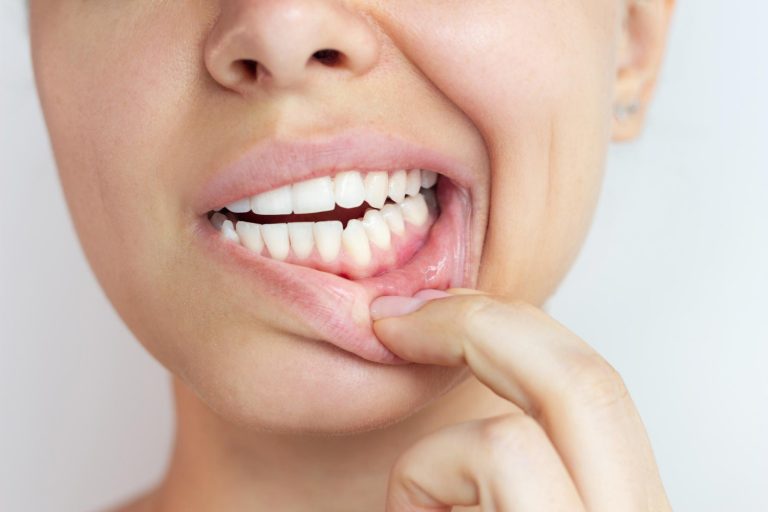
Receding gums often sneak up quietly — a bit more tooth showing, perhaps some sensitivity, or bleeding during brushing. While this condition might seem minor in its early stages, gum recession can escalate without appropriate care, exposing the roots of the teeth and increasing the risk of decay, discomfort, and gum disease. But can gum recession be slowed or even stabilised? The answer lies in identifying causes early and taking evidence-based steps to support long-term gum health.
If you’re noticing signs of gum recession in the local area, consult a dentist Fletcher NSW for an early assessment and tailored plan.
What Are the Common Causes Behind Gum Recession?
Understanding what triggers gum recession helps uncover why it continues to worsen if left unmanaged. This condition doesn’t typically arise overnight — it’s usually a gradual response to various ongoing habits or underlying issues.
Key causes include:
- Aggressive brushing or using hard-bristle toothbrushes
- Infrequent or ineffective oral hygiene habits
- Periodontal (gum) disease
- Smoking or tobacco use
- Hormonal changes that affect gum tissue
- Thin or fragile gum tissue (sometimes inherited)
- Teeth grinding or jaw misalignment
- Poor-fitting restorations or orthodontic appliances
Some individuals may experience gum recession despite good oral hygiene practices due to genetic predisposition or anatomical vulnerabilities. However, addressing modifiable risk factors can make a significant difference in slowing the progression. For more on related symptoms, see our article on gums swelling after flossing.
How Can You Tell If Your Gums Are Receding?
Receding gums are often subtle at first but can develop into more visible concerns if not identified early. Paying attention to warning signs is essential.
Common indicators include:
- Tooth sensitivity near the gumline
- Gums appearing to “pull back” or shrink
- Exposed tooth roots
- Teeth looking longer than usual
- Bleeding while brushing or flossing
- Persistent bad breath or unpleasant taste
- Loose teeth or noticeable changes in bite alignment
If you notice any of these signs, a clinical assessment can help determine the extent of gum recession and recommend appropriate management options.
What Are the Best Strategies to Prevent Gum Recession from Progressing?
While gum tissue does not typically regenerate once lost, various measures can effectively halt or slow further deterioration.
At-Home Gum Care Tips:
- Brush gently using a soft-bristle toothbrush
- Use fluoride toothpaste and brush in circular motions
- Replace toothbrush every 3 months or sooner if bristles fray
- Floss once daily using a gentle technique
- Avoid abrasive whitening pastes unless advised by a professional
- Use non-alcohol mouthwash if recommended
- Quit smoking or seek assistance to stop tobacco use
Professional Dental Interventions:
- Periodic scaling and root planing (deep cleans)
- Desensitising treatments or protective coatings
- Review of brushing technique during check-ups
- Adjustments to bite or occlusal splints for grinding
- Referral to a periodontist when advanced care is necessary
Our routine exams and cleaning Fletcher NSW service supports early intervention and ongoing monitoring to help stabilise gum health.
What Habits Should Be Avoided to Protect the Gum Line?
Certain behaviours — even those that might seem beneficial — can worsen gum recession when performed incorrectly.
Habits to reassess or discontinue include:
- Brushing too forcefully or using hard-bristle brushes
- Ignoring dental visits due to a lack of pain or symptoms
- Using sharp toothpicks or hard flossing techniques
- Smoking or chewing tobacco
- Consuming sugary or acidic foods and beverages excessively
- Clenching or grinding teeth at night
Even small adjustments in daily routine can create long-term benefits for gum preservation.
What Professional Treatments Are Available for Receding Gums?
In some cases, when gum recession becomes advanced or creates ongoing discomfort, clinical intervention may be recommended. These options focus on stabilising the condition and reducing associated risks.
Professional options may include:
- Periodontal therapy (scaling and root planing)
- Application of fluoride varnish or desensitisers
- Use of biocompatible materials to protect exposed roots
- Occlusal splints to reduce trauma from grinding
- Monitoring and documentation at regular intervals
- Referral to a specialist for grafting or surgical care (in severe cases)
For targeted gum care, explore our gum disease treatment Fletcher NSW, to address underlying causes like periodontal issues.
How Do Risk Factors Compare to Prevention Strategies?
Below is a useful table highlighting how common risk factors correspond to prevention methods:
Risk Factor vs Prevention Strategy
| Risk Factor | Prevention Strategy |
|---|---|
| Overbrushing | Use a soft toothbrush, and avoid excessive pressure |
| Gum disease | Maintain oral hygiene, schedule dental cleanings |
| Smoking or tobacco use | Seek support to quit smoking |
| Misaligned bite/grinding | A dentist may recommend a splint or adjustment |
| Plaque and tartar buildup | Professional dental cleans at regular intervals |
| Poor oral hygiene | Brush twice daily and floss once daily |
When Should You Seek Dental Attention for Receding Gums?
Not every case of gum recession requires complex intervention, but certain signs warrant clinical assessment:
Sign or Symptom vs Why It Matters
| Sign or Symptom | Why It Matters |
|---|---|
| Sensitivity near the gum line | Could indicate exposed tooth roots |
| Gums pulling away from teeth visibly | May be an early sign of gum recession |
| Bleeding during brushing or flossing | Potential gingivitis or inflammation |
| Loose teeth or shifting bite | Advanced periodontal concern; needs immediate review |
| Persistent bad breath | Could indicate deeper gum health issues |
If symptoms escalate suddenly or include severe pain, reach out to an emergency dentist Fletcher NSW.
Why Choose Fletcher Dental Care for Gum Health Management?
At Fletcher Dental Care, we believe gum health forms the foundation of long-lasting oral wellness. Our personalised, preventive approach means you’ll receive care that’s based on your unique oral condition, not just a one-size-fits-all model.
We place strong emphasis on early detection, patient education, and conservative interventions that respect the integrity of your gums and teeth. Our team uses advanced diagnostic tools to monitor gum health and support you in maintaining your smile for the long term.
Whether you’re noticing early signs of recession or simply want a professional opinion, we’re here to help with respectful, evidence-informed care in a relaxed and welcoming environment. Discover our full range of services including gum disease treatment Fletcher NSW and preventive care.
References
- Australian Dental Association – Gum Disease Explained
https://www.ada.org.au/Dental-Health-Week/Oral-Health-for-Busy-Lives/Gum-Disease - Better Health Channel – Receding Gums
https://www.betterhealth.vic.gov.au/health/conditionsandtreatments/teeth-gum-disease - Australian Government Department of Health – Oral Health
https://www.health.gov.au/our-work/oral-health
Frequently Asked Questions
- Can receding gums grow back naturally?
No, once gum tissue has receded, it typically does not regenerate. However, its progression can be halted with the right care. - Is gum recession always caused by gum disease?
Not always. While gum disease is a major cause, other factors like aggressive brushing or genetics can also lead to recession. - How often should I visit the dentist if I have receding gums?
It depends on the severity of your condition, but generally every 6 months, or more frequently if advised. - Will I eventually need gum surgery?
Most cases are managed with conservative care. Surgery is typically reserved for more advanced or symptomatic recession. - Does gum recession always cause sensitivity?
Not necessarily. Some people may not feel sensitivity despite noticeable gum loss, while others might feel discomfort early on. - Can children or teenagers get gum recession?
Yes, especially from habits like aggressive brushing or orthodontic appliances, though it’s less common in younger individuals.
Disclaimer
All dental procedures involve potential risks and benefits. The information provided in this blog is general in nature and should not be taken as medical advice. We recommend that you seek guidance from a suitably qualified health professional before making decisions about your oral health. Where appropriate, you may also wish to consider obtaining a second opinion. Any images or videos featured are shared with the informed consent of our patients and are intended for educational purposes only. They are not a guarantee of results, as every patient is unique. Treatment outcomes — including recovery, potential complications, and effectiveness — can vary from person to person.