
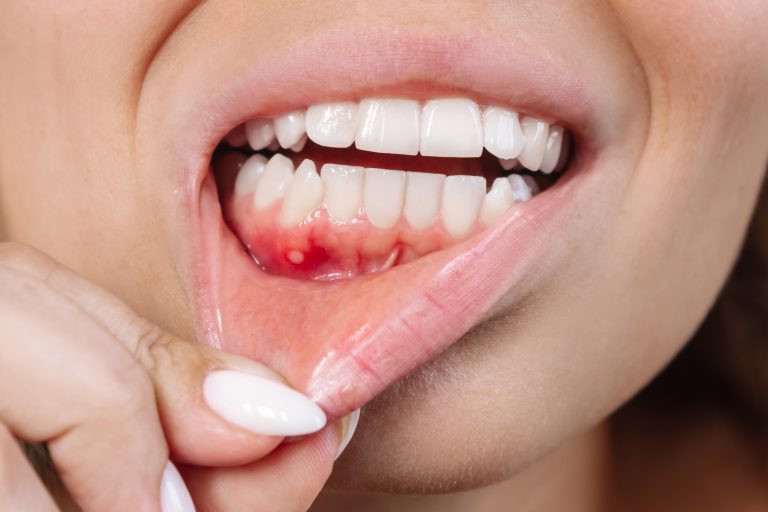
What Do Bleeding Gums Mean?
Bleeding gums mean the tissue is inflamed due to bacterial irritation. Healthy gum tissue does not bleed during standard oral hygiene practices. Gums bleed when brushing because plaque accumulates along the gumline, triggering an inflammatory immune response. The body sends blood to the area to fight the infection, making the tissue engorged and highly susceptible to bleeding.
The Australian Dental Association considers bleeding gums the dental equivalent of a check engine light. Blood on your toothbrush or dental floss indicates a mechanical failure in your oral hygiene routine or the onset of gum disease bleeding. According to the Australian Institute of Health and Welfare, approximately 22% of Australian adults experience bleeding gums. This statistic highlights the prevalence of the issue, but it does not mean the condition is normal or safe to ignore. When patients ask why do my gums bleed, the answer almost always points back to plaque retention and subsequent inflammation.
What Causes Gums to Bleed?
There are 8 primary bleeding gums causes, ranging from early bacterial infections to mechanical trauma. Identifying the exact trigger determines the correct gum bleeding treatment.
- Gingivitis: Early gum disease from plaque buildup remains the most common cause. Bacteria produce toxins that irritate the tissue, causing swollen bleeding gums.
- Periodontitis: Advanced gum disease destroys the supporting bone and ligaments. The tissue becomes severely inflamed and bleeds spontaneously.
- Aggressive brushing: Applying excessive pressure or using a hard-bristled brush damages the delicate epithelial cells of the gums.
- Blood-thinning medications: Prescription drugs like warfarin and aspirin reduce the blood’s ability to clot, making minor gum irritation appear much worse.
- Hormonal changes: Pregnancy increases blood flow and alters the tissue’s response to plaque, resulting in pregnancy gingivitis.
- Vitamin deficiencies: A lack of vitamin C weakens blood vessels, while a lack of vitamin K impairs clotting mechanisms.
- Smoking: Nicotine constricts blood vessels, which masks visible bleeding while simultaneously accelerating bone loss and worsening underlying periodontal disease.
- Ill-fitting dental appliances: Loose dentures or defective restorations rub against the tissue, creating mechanical friction sores that bleed during eating or cleaning.
What Are the Stages of Gum Disease?
Gum disease progresses through 5 distinct stages, beginning with mild bleeding gums when flossing and potentially ending in tooth loss. Gingivitis is entirely reversible, but periodontitis causes permanent structural damage.
- Plaque accumulation: Bacteria colonise the tooth surface near the gumline without yet penetrating the tissue.
- Gingivitis: The gums become red, swollen and bleed easily. Professional intervention and improved home care completely reverse the condition.
- Early periodontitis: Gum pockets form between the teeth and gums, measuring 4 to 5mm. Early bone loss becomes visible on dental X-rays.
- Moderate periodontitis: The pockets deepen to 5 to 7mm. The connective tissue degrades, and teeth may feel slightly loose.
- Advanced periodontitis: The pockets exceed 7mm. Significant bone loss occurs, teeth become highly mobile, and extraction often becomes the only viable treatment option.
Fletcher Dental Care provides targeted gum disease treatment to halt this progression and preserve your natural dentition.
What Are the Symptoms That Accompany Bleeding Gums?
Multiple clinical symptoms accompany bleeding gums, and the combination of these signs indicates the severity of the underlying infection. Recognising these symptoms early allows for more effective and less invasive interventions.
- Colour changes: The tissue turns bright red or dark purple instead of a healthy pale pink.
- Swelling: The gums appear puffy and rounded rather than firm and stippled.
- Tenderness: The tissue feels painful or sensitive when touching the gums or chewing hard foods.
- Halitosis: Bad breath persists and does not improve after brushing or using mouthwash.
- Altered taste: A persistent bad taste lingers in the mouth due to bacterial sulphur compounds.
- Gum recession: The gumline moves away from the tooth crown, making the teeth appear artificially longer and creating sensitive teeth.
- Mobility: Teeth feel loose or shift position, which indicates advanced bone loss.
- Pus formation: Pus exudes from the spaces between the teeth and gums, indicating an active infection that requires immediate dental emergencies assessment.
- Bite changes: The way the upper and lower teeth fit together shifts when biting down.
When Should You Worry About Bleeding Gums?
You contact a dentist immediately if the bleeding persists for more than 1 week despite improved brushing habits. Bleeding that improves within a few days of resuming a strict oral hygiene routine typically represents minor gingivitis. However, certain presentations require urgent professional assessment.
You seek immediate care if the bleeding is heavy, spontaneous, or accompanied by severe pain. You book an examination if your teeth feel loose, if you notice pus around the gumline, or if you suffer from persistent bad breath. Pregnant women experiencing swollen bleeding gums require specialised monitoring to prevent pregnancy complications linked to periodontal disease. Ignoring persistent symptoms allows the infection to penetrate deeper into the structural tissues. If you experience pain or rapid deterioration, call 02 4955 5869 for an appointment. The clinic offers same-day emergency scheduling for severe infections.
How Are Bleeding Gums Diagnosed?
Dentists diagnose bleeding gums by completing a comprehensive clinical examination that assesses the tissue’s visual appearance, structural attachment and underlying bone levels. Diagnostic protocols at Fletcher Dental Care rely on quantitative measurements to establish a precise baseline.
The process begins with a visual examination of the gum colour, texture and contour. The dentist then performs periodontal probing to measure the pocket depths around each tooth. A depth of 1 to 3mm indicates healthy gums, while measurements exceeding 4mm indicate periodontal disease. Dental X-rays reveal the extent of bone loss between the tooth roots. The clinical team also assesses the volume of plaque and calculus present on the teeth and reviews the patient’s medical history for systemic conditions or medications affecting gum health. Fletcher Dental Care measures gum health at every check-up. You can schedule routine check-ups and professional cleans to ensure early detection.
How Are Bleeding Gums Treated?
Gum bleeding treatment depends entirely on the underlying cause and the stage of the disease progression. Clinical interventions range from basic mechanical cleaning to advanced periodontal surgery.
- Gingivitis treatment: The dentist performs a professional scale and clean to remove all plaque and calculus above and below the gumline. The patient receives personalised oral health education to improve daily mechanical plaque removal.
- Early periodontitis treatment: The clinician performs scaling and root planing, a deep cleaning procedure conducted under local anaesthetic. The dentist smooths the tooth roots to remove bacterial toxins and applies fluoride treatments to strengthen enamel.
- Moderate periodontitis treatment: Treatment involves multiple deep cleaning sessions, possible gum surgery to access deep bacterial pockets and targeted antibiotic therapy.
- Advanced periodontitis treatment: The patient requires periodontal surgery, bone grafting to replace lost tissue, and potential tooth extraction for non-restorable teeth. The dentist restores damaged teeth using composite fillings or crowns.
- Non-disease interventions: Patients adjust blood-thinning medications with their general practitioner, replace ill-fitting dental appliances and correct aggressive brushing techniques. Smokers must quit tobacco use for periodontal treatment to succeed.
What Are the Costs of Gum Disease Treatment?
The costs of gum disease treatment vary based on the severity of the infection and the complexity of the required procedures. Preventive care offers the highest return on investment, as treating gingivitis early costs significantly less than managing advanced periodontitis.
A routine scale and clean represents the lowest cost option and is often fully covered by private health funds. Deep cleaning procedures, billed per quadrant, incur a moderate cost due to the time and anaesthesia required. Periodontal surgery and bone grafting represent higher investments. Patients with chronic periodontitis require maintenance visits every 3 to 4 months, which represents an ongoing but necessary cost for disease management. Fletcher Dental Care provides transparent pricing and uses HICAPS for on-the-spot health fund claims. The clinic also offers CDBS bulk billing for eligible children.
What Happens If You Ignore Bleeding Gums?
Ignoring bleeding gums leads to permanent structural damage, tooth loss and severe systemic health complications. When the bacterial infection penetrates below the gumline, it destroys the jawbone that holds your teeth in place. This bone never regenerates without surgical intervention. The gums recede, the pockets deepen and the teeth eventually become loose. The bacteria responsible for periodontal disease do not stay confined to the mouth.
According to research from the Australian Dental Association and the Australian Research Centre for Population Oral Health, the bacteria from periodontal disease enter the bloodstream and are linked to systemic conditions. Patients with untreated gum disease face a higher risk of heart disease, strokes and diabetes complications. Pregnant women with periodontal disease experience higher rates of adverse pregnancy outcomes, including premature birth and low birth weight. Do not ignore blood on your floss or a persistent toothache.
How Can You Prevent Bleeding Gums?
You prevent bleeding gums by establishing a rigorous daily oral hygiene routine and attending regular professional appointments. Consistent mechanical plaque removal stops the bacterial irritation that triggers inflammation.
- Brush twice daily: Use a soft-bristled brush and fluoride toothpaste to clean all tooth surfaces for two minutes.
- Floss daily: Use dental floss or interdental cleaners to remove plaque from between the teeth where brushes cannot reach.
- Attend regular check-ups: Visit Fletcher Dental Care every 6 months for professional cleans and periodontal assessments.
- Quit smoking: Stop all tobacco use to restore normal blood flow to the gum tissue and halt immune suppression.
- Maintain a balanced diet: Consume foods rich in vitamin C and vitamin K to strengthen blood vessels and support immune function.
- Use an antibacterial mouthwash: Rinse with a therapeutic mouthwash if your dentist recommends it to reduce bacterial load.
- Replace your toothbrush: Discard your manual toothbrush or electric brush head every 3 months or immediately after an illness to prevent bacterial reintroduction.
Book a Gum Health Appointment at Fletcher Dental Care
Taking action against bleeding gums protects your natural teeth and your overall physical health. The experienced team of dentists at Fletcher Dental Care provides comprehensive periodontal diagnostics and targeted treatments. Dr Mahmoud Abouelenein (BDS, FRACDS, Grad. Dip. Cl. Dent, University of Sydney) and Dr Mohamed Omar (BDS, MFDS Edin, FRACDS, Member Royal College of Surgeons Edinburgh) bring over 20 years of clinical experience to every consultation. Dr Sherif Ibrahim (ADC, MRACDS) and Dr Amy Richards complete a highly skilled clinical team.
Contact Fletcher Dental Care by calling 02 4955 5869 to schedule your appointment. The clinic is located at Shop 16/221 Minmi Rd, Fletcher NSW 2287, and offers Saturday appointments from 7:30am to accommodate busy schedules. Learn more about Fletcher Dental Care or contact Fletcher Dental Care through the online portal to request a consultation.
Frequently Asked Questions
Is it normal for gums to bleed when brushing?
No, it is not normal for gums to bleed during brushing. Blood on your toothbrush indicates active inflammation caused by bacterial plaque. Healthy gums remain pink, firm and completely bloodless during standard mechanical cleaning. Schedule an examination to diagnose the underlying cause of the inflammation.
Can bleeding gums heal on their own?
Bleeding gums heal on their own only if the cause is purely mechanical, such as aggressive brushing. If the bleeding stems from plaque-induced gingivitis, the condition requires professional intervention to remove hardened calculus. Once the dentist removes the irritants, the tissue heals rapidly within a few days.
Should I stop flossing if my gums bleed?
No, you continue flossing daily even if the tissue bleeds. Stopping your oral hygiene routine allows more plaque to accumulate, which worsens the inflammation and bleeding. Gentle and consistent flossing removes the bacteria causing the irritation and allows the tissue to recover. Book an appointment for routine check-ups and professional cleans if bleeding persists beyond one week.
How long does it take for bleeding gums to stop after treatment?
Bleeding gums typically stop within 3 to 7 days following a professional scale and clean. The tissue requires a few days to shrink back to its normal size once the bacteria and calculus are removed. Maintaining gentle brushing and flossing habits during this period accelerates the healing process.
Can bleeding gums be a sign of something serious?
Yes, bleeding gums indicate serious local and systemic health issues. Locally, the bleeding signifies active periodontal disease that destroys the jawbone. Systemically, severe gum disease correlates with cardiovascular disease, diabetes complications and adverse pregnancy outcomes. A clinical assessment rules out these severe complications.
How much does a professional gum cleaning cost?
The cost of a professional gum cleaning depends on the severity of the disease. A routine scale and clean for early gingivitis is highly affordable and often fully covered by health funds. Deep cleaning for periodontal disease incurs a higher cost. Fletcher Dental Care uses HICAPS for on-the-spot claims and offers CDBS bulk billing for eligible children.