
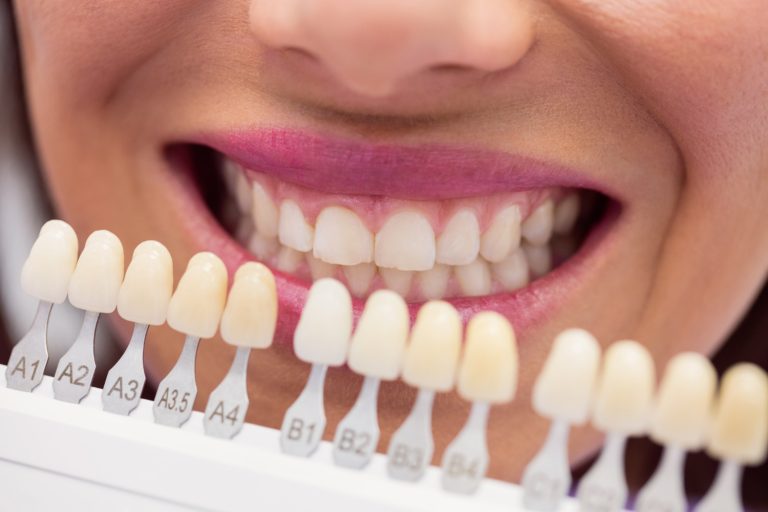
Veneers have become a popular option in cosmetic dentistry for patients looking to enhance the appearance of their smile. Whether crafted from porcelain or composite, veneers offer a natural-looking finish that covers imperfections and transforms the aesthetic of a tooth. But what many don’t consider is what happens if those veneers are removed.
The process of veneer removal isn’t always straightforward, and understanding what lies beneath can help you make an informed decision about ongoing dental care. Here’s what patients need to know about the state of their teeth post-veneer removal, and what options might be available afterwards.
If you’re exploring cosmetic options or post-treatment care in the area, consult a dentist Fletcher NSW, for personalised guidance.
Do Your Natural Teeth Return to Normal After Veneer Removal?
In most cases, no. Before veneers are applied, a portion of the tooth’s outer enamel layer is usually removed to make space for the veneer material and to help it bond securely. This means your natural tooth structure is permanently altered.
Once a veneer is removed, the exposed tooth is often:
- More sensitive to temperature changes
- Rough in texture due to enamel reduction
- More susceptible to staining or discolouration
- Lacking the natural sheen and protection that enamel provides
This doesn’t necessarily mean the tooth is unhealthy, but it is typically less robust than it was pre-treatment. For related sensitivity concerns, read our article on what causes tooth sensitivity to cold.
Is Veneer Removal a Common or Necessary Procedure?
Veneers aren’t typically removed unless there’s a specific reason. Some common situations include:
- The veneer has cracked or chipped
- There is decay beneath the veneer
- The veneer has become loose or ill-fitting
- The patient is upgrading to a different material or type
Because veneers are generally considered semi-permanent, removal is approached with care. In many cases, the veneer is replaced rather than simply taken off and left unfilled.
What Do Teeth Look and Feel Like After Removal?
Once veneers are taken off, the underlying teeth may not resemble your natural pre-treatment teeth. Here are some characteristics patients often notice:
- A slightly dull or matte appearance
- Increased tooth sensitivity
- A rough or uneven texture due to prior enamel reduction
- Discolouration where cement was bonded
These changes are typically cosmetic but may cause discomfort or concern if not managed properly.
Can Veneered Teeth Be Left Uncovered After Removal?
This is generally not advised. Once enamel has been removed or altered, the tooth is less protected. Leaving the tooth exposed could increase sensitivity and the risk of decay.
Post-removal options often include:
- Replacing with new veneers
- Using a crown if the tooth structure is weak
- Applying composite bonding as a temporary solution
Explore our veneers Fletcher NSW service for replacement or our composite fillings Fletcher NSW for bonding alternatives.
What Are the Long-Term Effects of Veneer Removal?
The long-term impact depends on how much enamel was originally removed and the current health of the tooth. Some effects may include:
- Heightened tooth sensitivity
- A need for ongoing restorations
- Increased vulnerability to wear and erosion
- Potential for structural weakening if left untreated
Preventative care and regular dental reviews are essential for maintaining the health of teeth that have previously been veneered. Regular cleanings help monitor this; learn more about our routine exams and cleaning Fletcher NSW.
Are Veneers Considered Reversible or Permanent?
Most traditional veneers are not reversible. Since enamel is usually removed to fit the veneer properly, the tooth cannot be restored to its original condition without another form of dental restoration.
However, in rare cases where minimal or no enamel was removed (such as with some types of no-prep veneers), removal may be less impactful.
Table: Comparison of Tooth Characteristics Before and After Veneer Removal
| Characteristic | Natural Tooth (Pre-Veneer) | Post-Veneer Removal Tooth |
|---|---|---|
| Enamel Thickness | Full | Reduced |
| Sensitivity | Low | Moderate to High |
| Surface Texture | Smooth | Rough/Uneven |
| Colour Appearance | Natural White | Possible Dullness or Discolouration |
| Restoration Requirement | Optional | Often Required |
Table: Common Effects of Veneer Removal and Management Approaches
| Effect Noticed | Explanation | Management Option |
|---|---|---|
| Tooth Sensitivity | Due to enamel loss | Desensitising agents, fluoride |
| Rough Surface | Tooth prep alters smoothness | Polishing or new restoration |
| Discolouration | Cement residue or enamel exposure | Whitening (if suitable) or veneers |
| Compromised Structure | Reduced protective enamel | Veneer, crown or bonding |
What Care Is Needed After Veneers Are Removed?
Patients should prioritise protective oral hygiene and consider restorative options. Essential care may include:
- Using a soft-bristled toothbrush and non-abrasive toothpaste
- Fluoride treatments for strengthening enamel
- Avoiding highly acidic or staining foods
- Regular dental check-ups to monitor tooth condition
Our fluoride treatments sealants Fletcher NSW can provide added protection for exposed teeth.
How Can You Prevent Damage If You Plan to Replace Veneers?
If you’re planning to replace veneers, interim care is vital. Temporary composite materials can be placed to protect the tooth, and timely follow-up appointments should be scheduled.
Avoid exposing the tooth to extreme temperatures or biting hard substances, as reduced enamel makes it more prone to discomfort and damage. For sudden issues during transition, contact an emergency dentist Fletcher NSW.
Looking for Guidance After Veneer Removal?
Navigating life after veneer removal can be confusing, especially when weighing up your next step. At Fletcher Dental Care, our team takes a thoughtful, evidence-based approach to post-veneer planning. Whether you’re considering replacement veneers, alternative restorations, or simply want to understand what shape your teeth are in, we’re here to provide tailored, professional support every step of the way.
We offer a private and respectful setting where your individual circumstances are considered. With a strong emphasis on clinical clarity and patient education, we ensure that you understand all risks, benefits, and alternatives to make a confident decision about your oral health.
Visit Fletcher Dental Care and discover how we support long-term dental wellbeing with integrity and precision. Explore our full range of cosmetic options with smile makeovers Fletcher NSW.
References
- Dental Board of Australia. Guidelines for advertising a regulated health service. https://www.dentalboard.gov.au/Codes-Guidelines/Policies-Codes-Guidelines/Advertising-a-regulated-health-service.aspx
- Australian Dental Association. Veneers Factsheet. https://www.ada.org.au/Dental-Health-Week/Resources-for-Dental-Teams/Factsheets/Veneers
- Better Health Channel Victoria. Veneers. https://www.betterhealth.vic.gov.au/health/conditionsandtreatments/veneers
FAQs
- Is it painful to have veneers removed?
Veneer removal is typically not painful, especially when done by a qualified dental professional. You may experience mild sensitivity afterwards. - Can veneers be removed without damaging the teeth?
In most cases, some enamel was removed during the original veneer procedure, so some degree of tooth alteration is unavoidable. - Will my teeth be discoloured after veneer removal?
It’s possible, especially if cement residue remains or the enamel is thin. However, this can often be managed with professional polishing or replacement veneers. - Are replacement veneers always required after removing the old ones?
Not always, but it’s strongly recommended to protect the exposed tooth structure. - How long does the veneer removal and replacement process take?
This varies depending on the complexity of the case, but it can usually be completed over a few appointments. - Can I choose a different type of restoration after veneer removal?
Yes, options like crowns, composite bonding, or simply reapplying new veneers may be considered depending on your tooth condition.
Disclaimer
All dental procedures involve potential risks and benefits. The information provided in this blog is general in nature and should not be taken as medical advice. We recommend that you seek guidance from a suitably qualified health professional before making decisions about your oral health. Where appropriate, consider obtaining a second opinion. Any images or videos featured are shared with the informed consent of our patients and are intended for educational purposes only. They are not a guarantee of results, as every patient is unique. Treatment outcomes — including recovery, potential complications, and effectiveness — can vary from person to person.